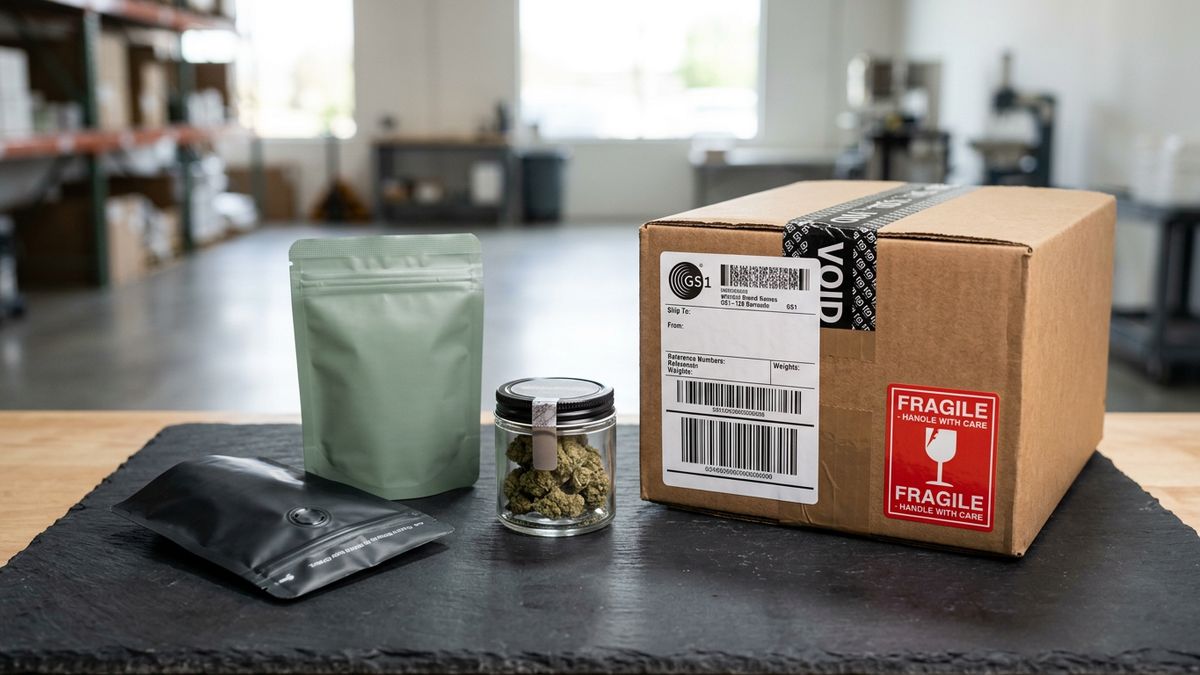
Cannabis Packaging Alberta: AGLC Supplier Guide
Alberta layers AGLC wholesaler specs on top of Health Canada's rules: GS1 barcodes, GS1-128 labels on two adjacent sides of every master case, no inner packs, tight case size limits and a $1,000 penalty per non-compliance. Here's the provincial guide for licensed producers shipping into Alberta.
Read Article →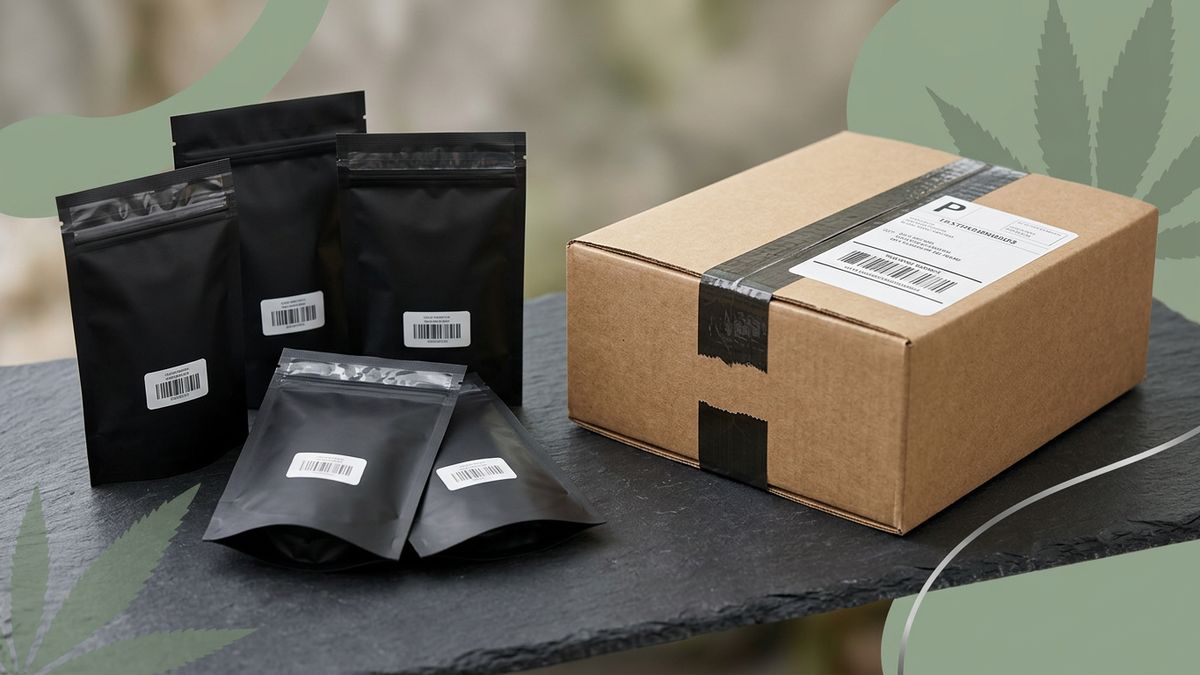
Cannabis Packaging Ontario: OCS Supplier Guide
Ontario layers OCS wholesaler specs on top of Health Canada's rules: GS1 barcodes at every packaging level, two GS1-128 labels per master case, tamper tape, single-lot cases and full-case quantities only. Here's the provincial guide for licensed producers shipping into Ontario.
Read Article →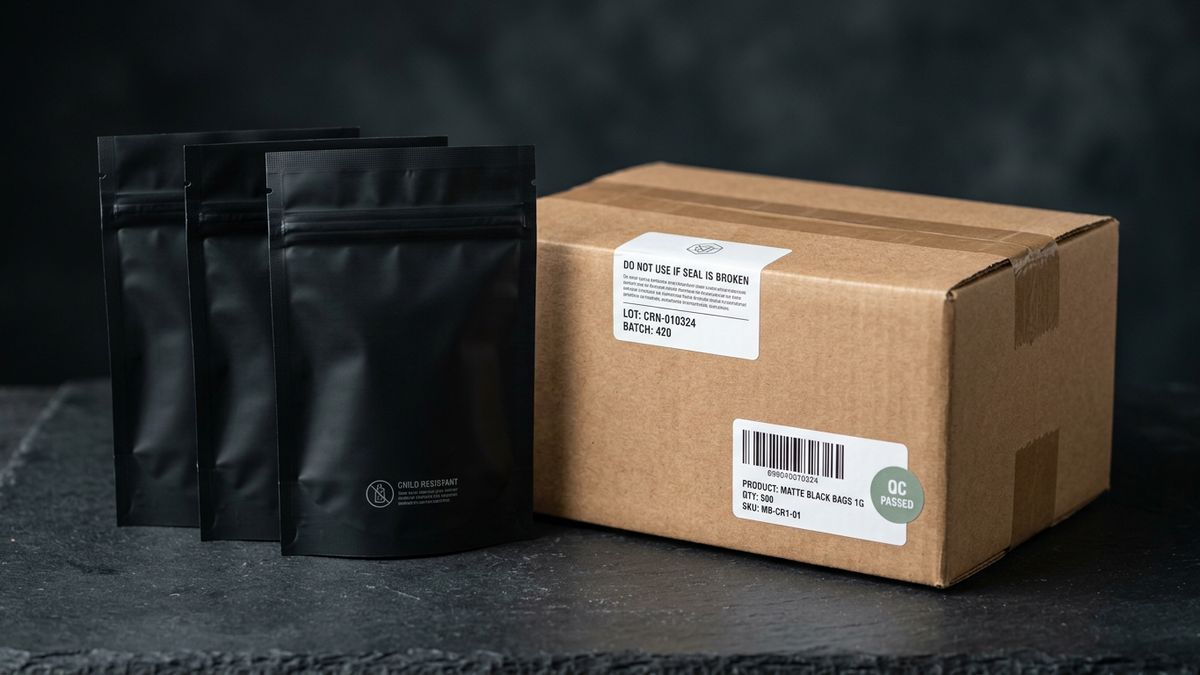
Cannabis Packaging British Columbia: BC Guide
British Columbia layers LDB wholesaler specs on top of Health Canada's rules: GS1 barcodes on every unit and case, a BC excise stamp over the seal, smell-resistant retail packaging, and master cases capped at 36 x 30.48 x 30.48 cm and 18.1 kg. Here's the provincial guide from CropPak's home base in Abbotsford.
Read Article →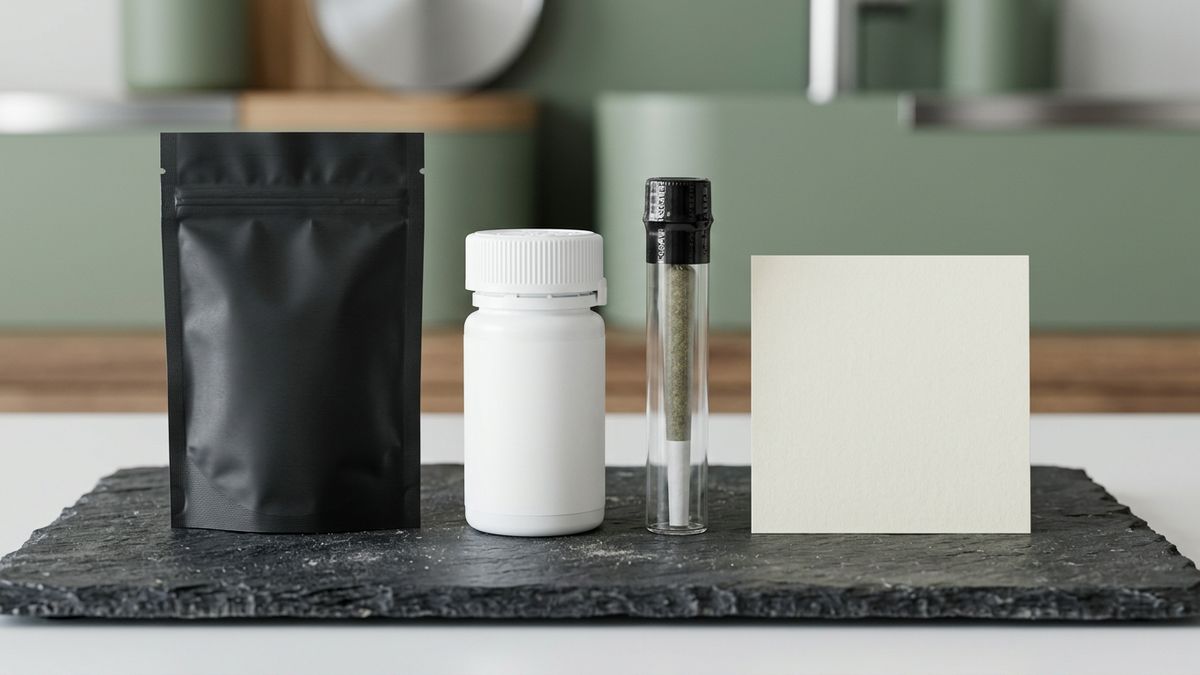
Cannabis Packaging Washington: WSLCB Compliance Guide
Washington's WSLCB requires child-resistant, opaque, tamper-evident cannabis packaging with the Leaf Data System for track-and-trace. Here's what licensed producers need for 2026, including sustainability mandates and pricing.
Read Article →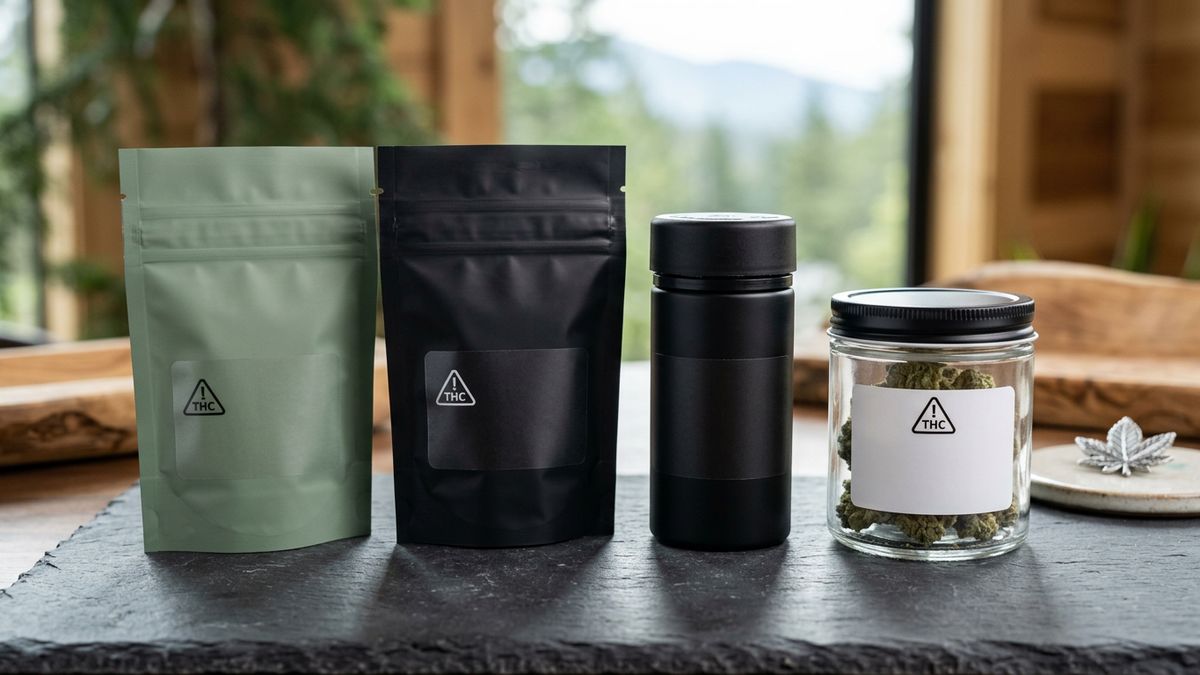
Cannabis Packaging Oregon: OLCC & OHA Guide
Oregon's OLCC and OHA require child-resistant, opaque, tamper-evident cannabis packaging with the state universal symbol and THC/CBD potency in milligrams. Here's what licensed producers need for 2026.
Read Article →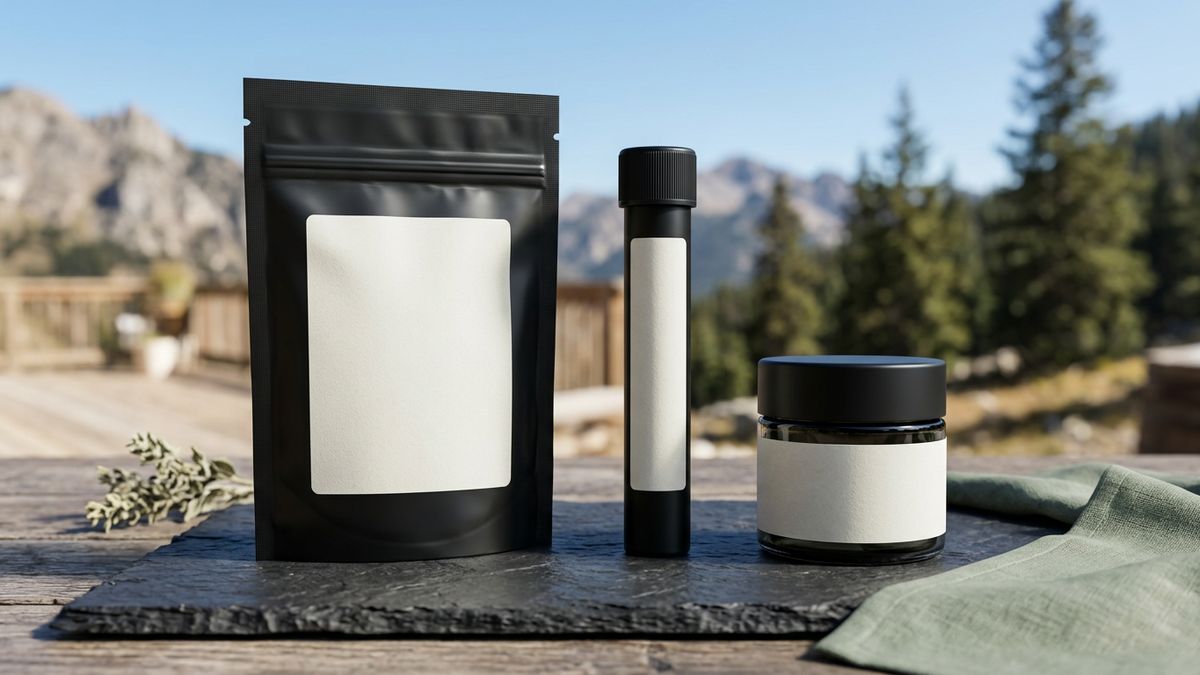
Cannabis Packaging Colorado: MED Compliance Guide
Colorado's MED requires child-resistant, tamper-evident, opaque, resealable cannabis packaging with the CO Universal Symbol and potency in bold. Here's what licensed producers need for 2026.
Read Article →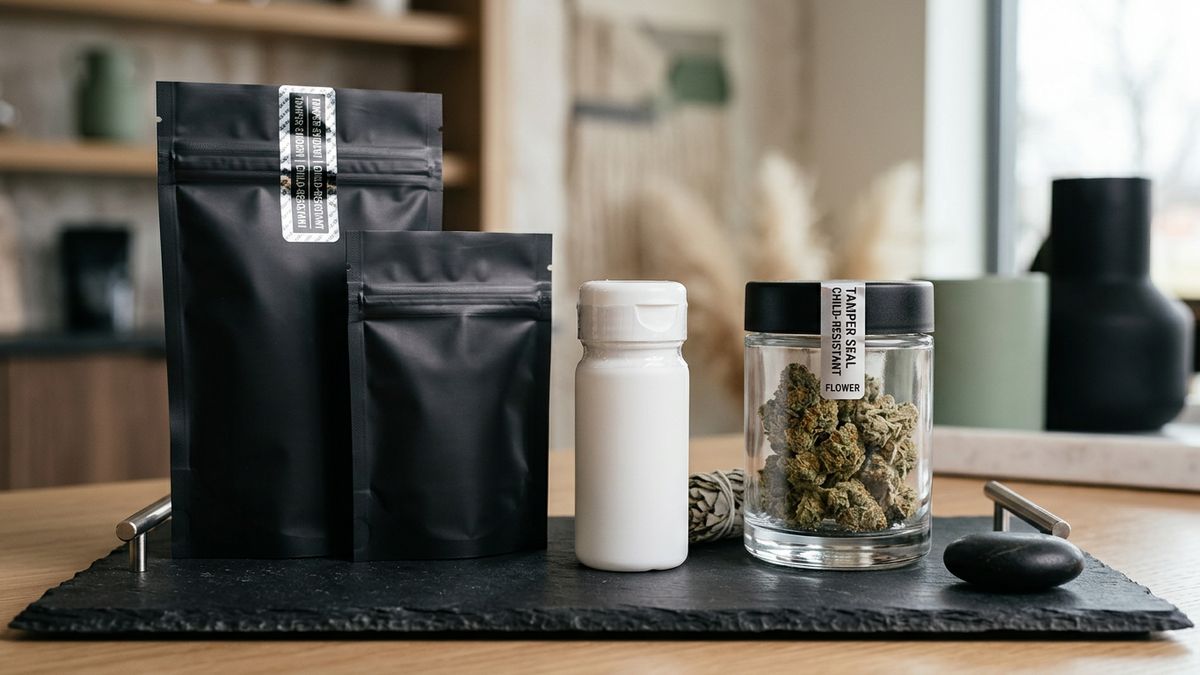
Cannabis Packaging Michigan: CRA Compliance Guide
Michigan's CRA requires child-resistant packaging per 16 CFR 1700.20, tamper-evident seals, FDA-approved edibles ingredients, and THC/CBD potency in milligrams. Here's what licensed producers need to stay compliant in 2026.
Read Article →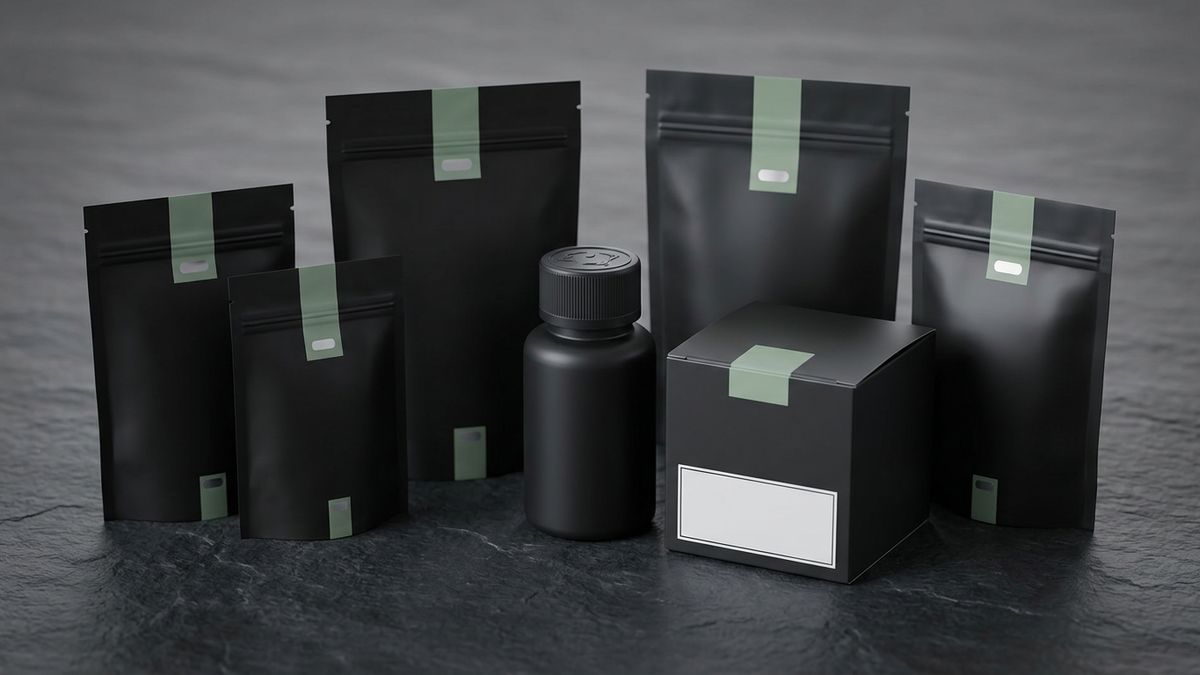
Cannabis Packaging New York: OCM Compliance Guide
New York's OCM enforces some of the strictest cannabis packaging rules in the country: CR per 16 CFR 1700.20, tamper-evident, light-resistant, opaque edibles, QR codes, and the NY universal symbol. Here's what licensed producers need to stay compliant in 2026.
Read Article →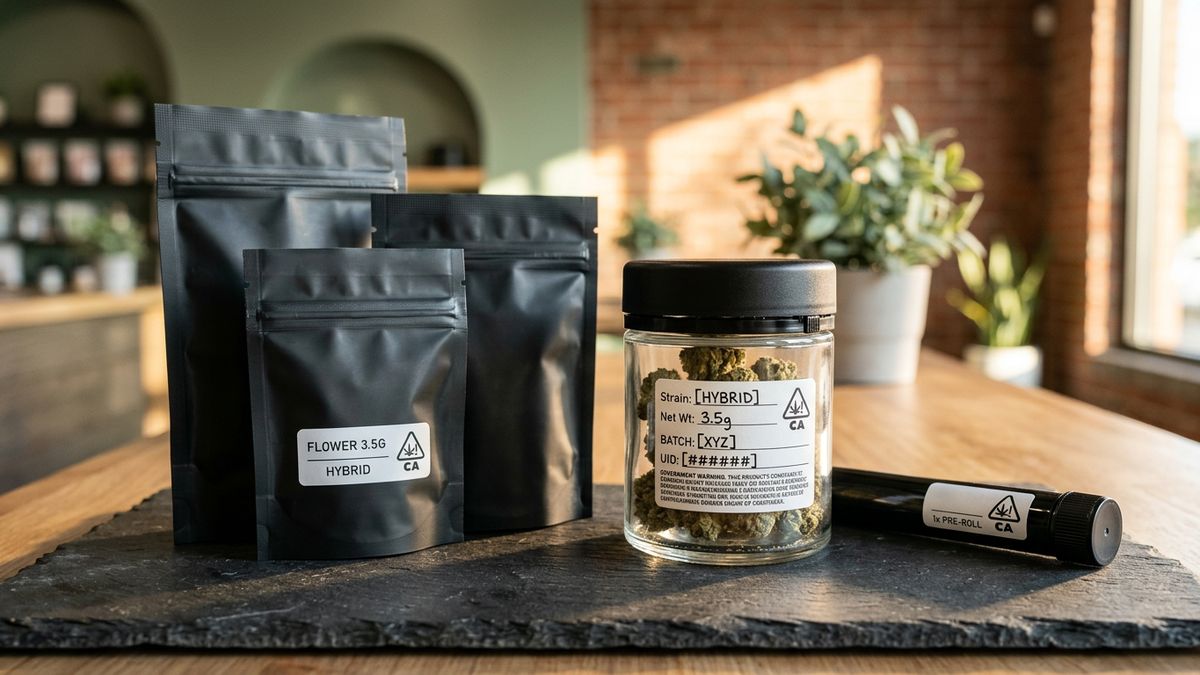
Cannabis Packaging California: DCC Guide
California's DCC enforces the strictest cannabis packaging rules in the country: CR per 16 CFR 1700.20, tamper-evident seals, opaque edibles, the CA Universal Symbol, and UID batch tags. Here's what brands need to stay compliant in 2026.
Read Article →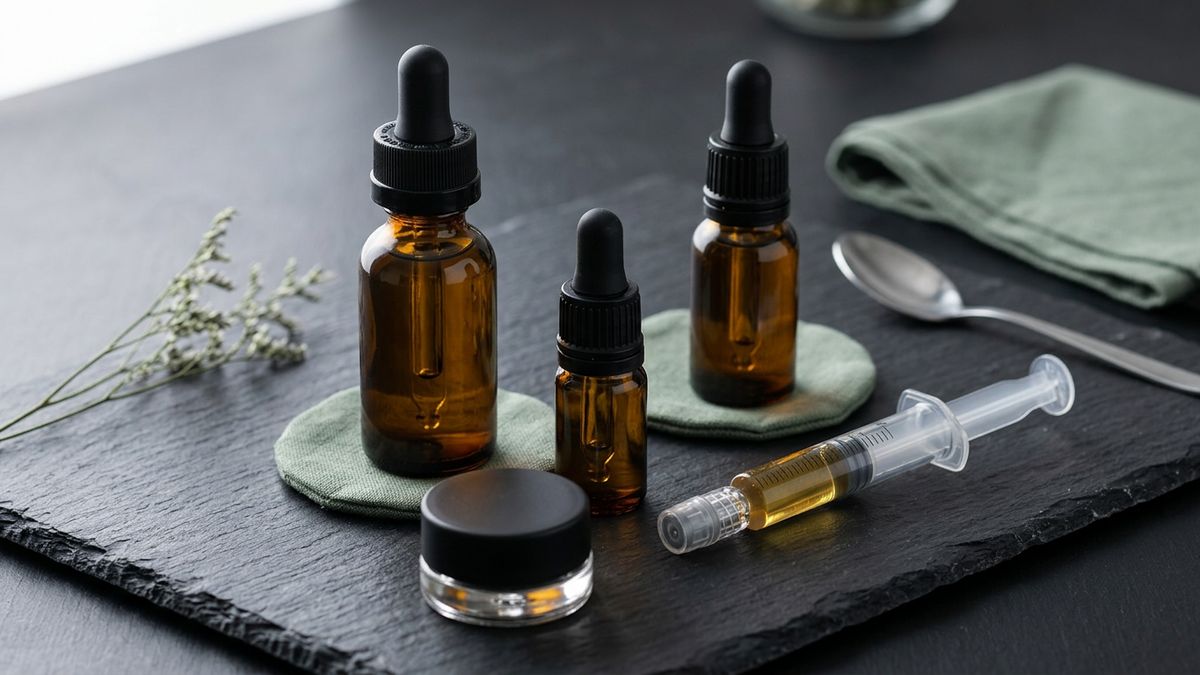
Cannabis Oil Packaging: Bottles, Syringes & Containers Explained
Cannabis oil packaging includes glass syringes, dropper bottles, and concentrate containers. Here's how to choose the right format, meet 16 CFR 1700.20 CR compliance, and avoid overpaying at wholesale.
Read Article →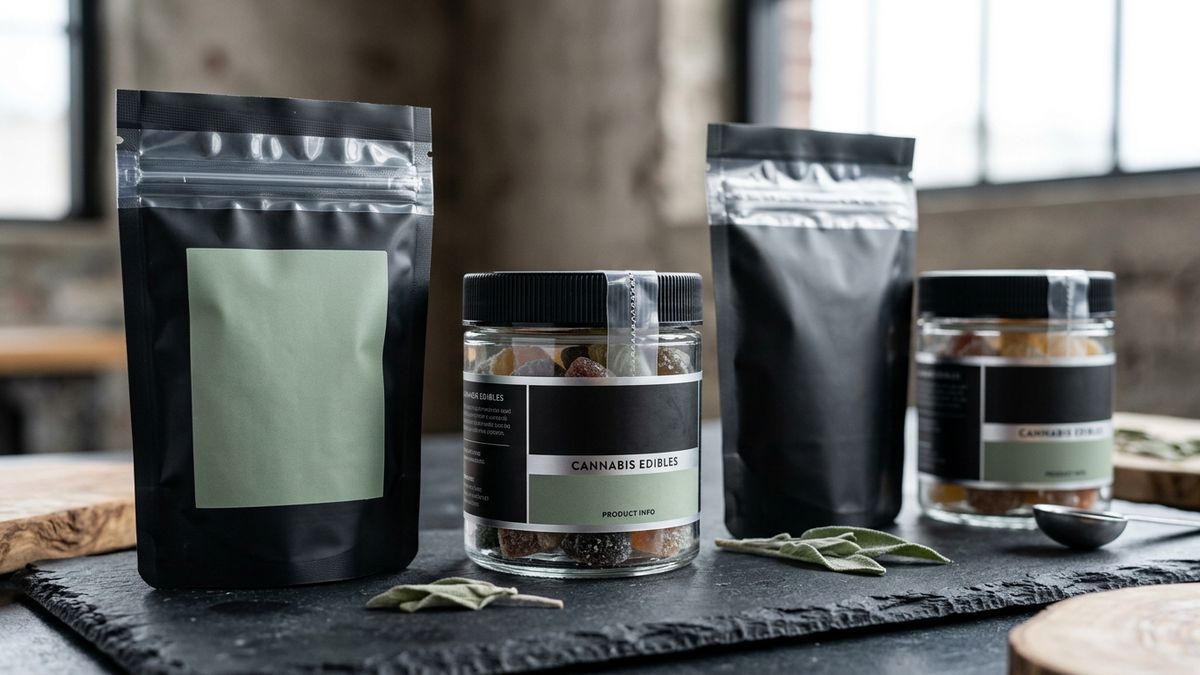
Tamper-Evident Cannabis Packaging Guide
Tamper-evident packaging is required for cannabis in most legal states. Here's how shrink bands, induction seals, and food-grade materials keep products safe and compliant.
Read Article →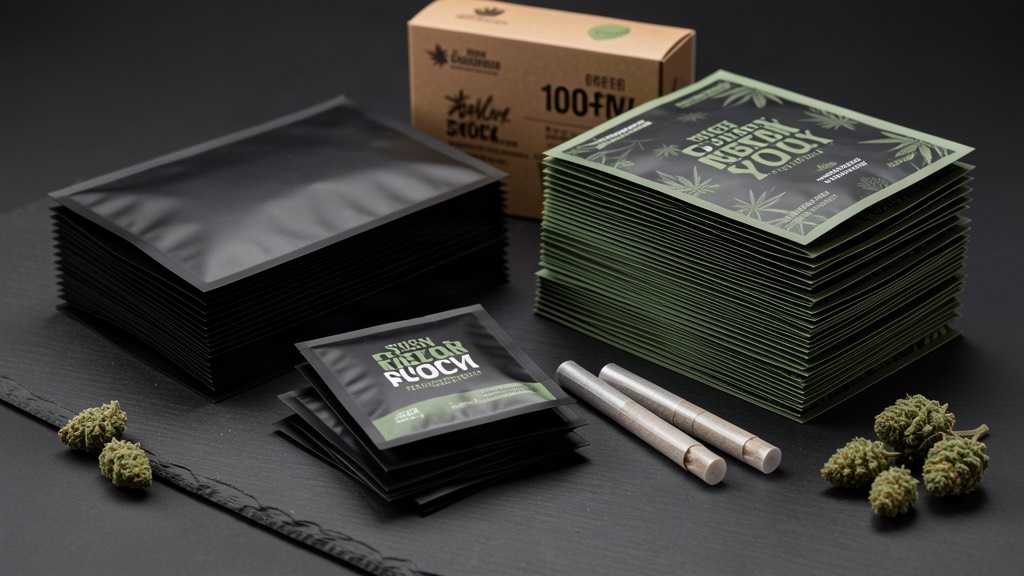
Cannabis Packaging MOQ: MOQs Explained
Cannabis packaging MOQs range from 100 units for stock to 10,000+ for custom gravure printing. Here's how minimum order quantities work, what they cost, and how small brands can work around them.
Read Article →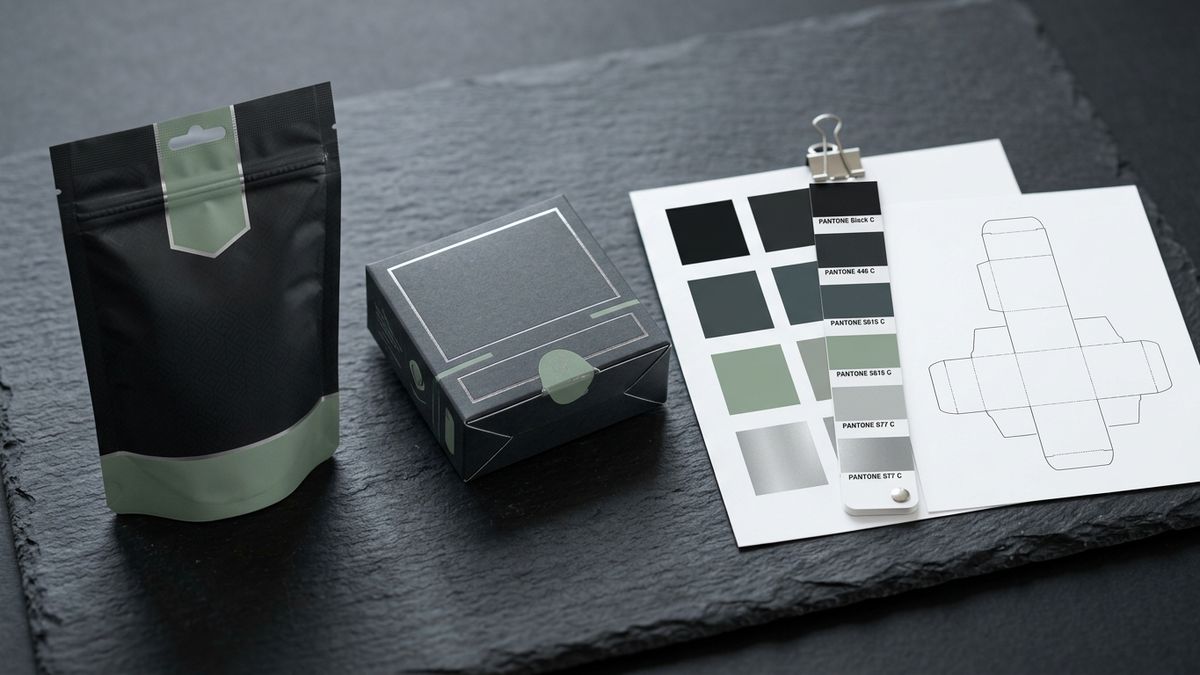
How to Design Cannabis Packaging: A 2026 Guide
How to design cannabis packaging: a practical 6-step process for balancing brand identity, compliance under 16 CFR 1700.20, materials, shelf impact, and costs.
Read Article →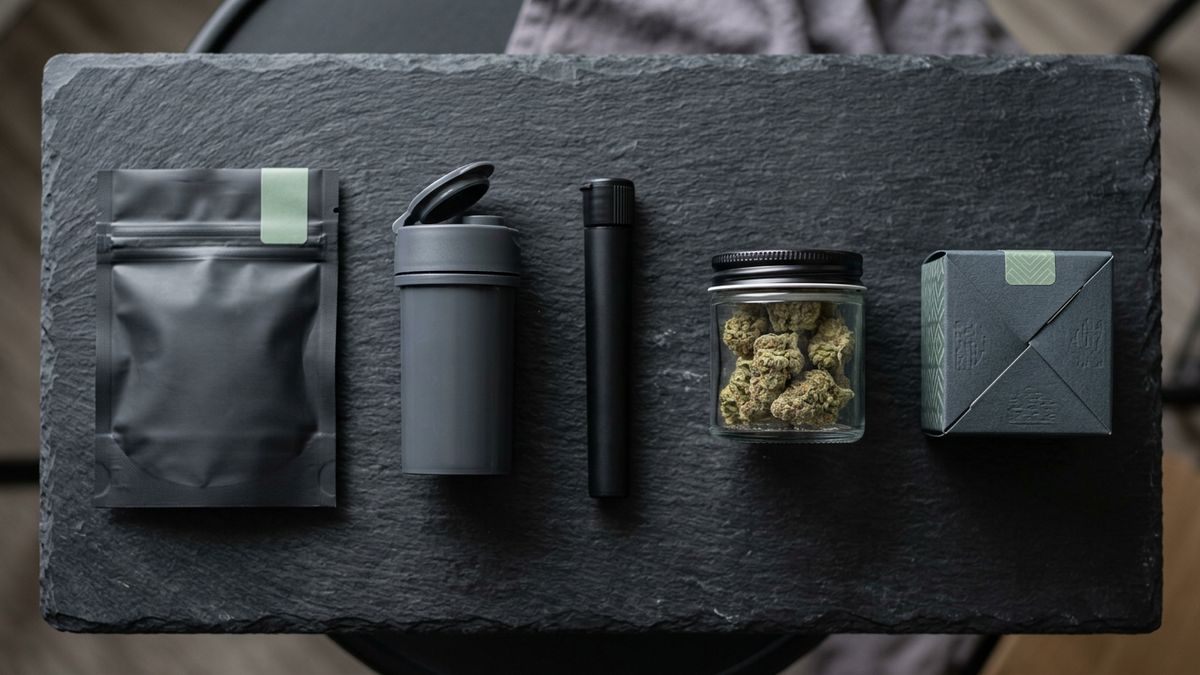
Cannabis Packaging 101: Beginner Guide for New Brands
New to cannabis packaging? Here's what you actually need to know about the 4 main packaging types, child-resistant requirements, materials, labeling, and wholesale costs — without the industry jargon.
Read Article →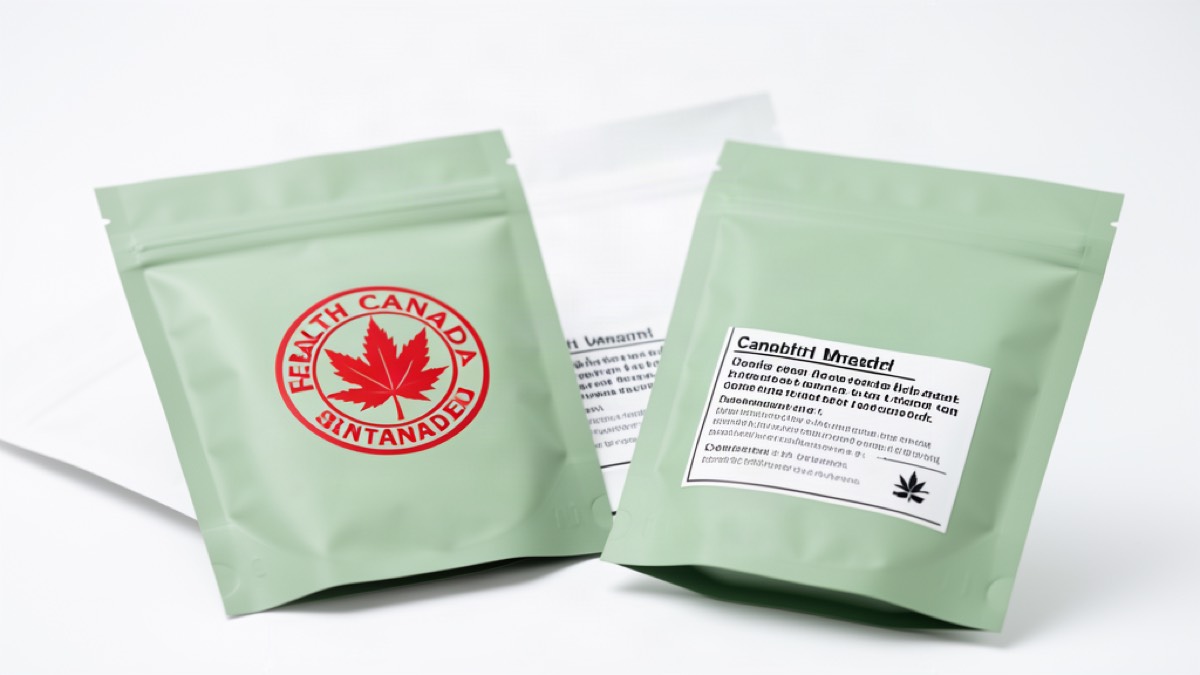
Mylar Bags Canada: Cannabis Packaging for the Canadian Market
Selling cannabis mylar bags in Canada means following Health Canada's plain packaging rules under the Cannabis Regulations. Here's what licensed producers need to know about CR requirements, the standardized cannabis symbol, bilingual labeling, and how Canadian rules differ from U.S. state regulations.
Read Article →