Cannabis Packaging Manitoba: MBLL Supplier Guide
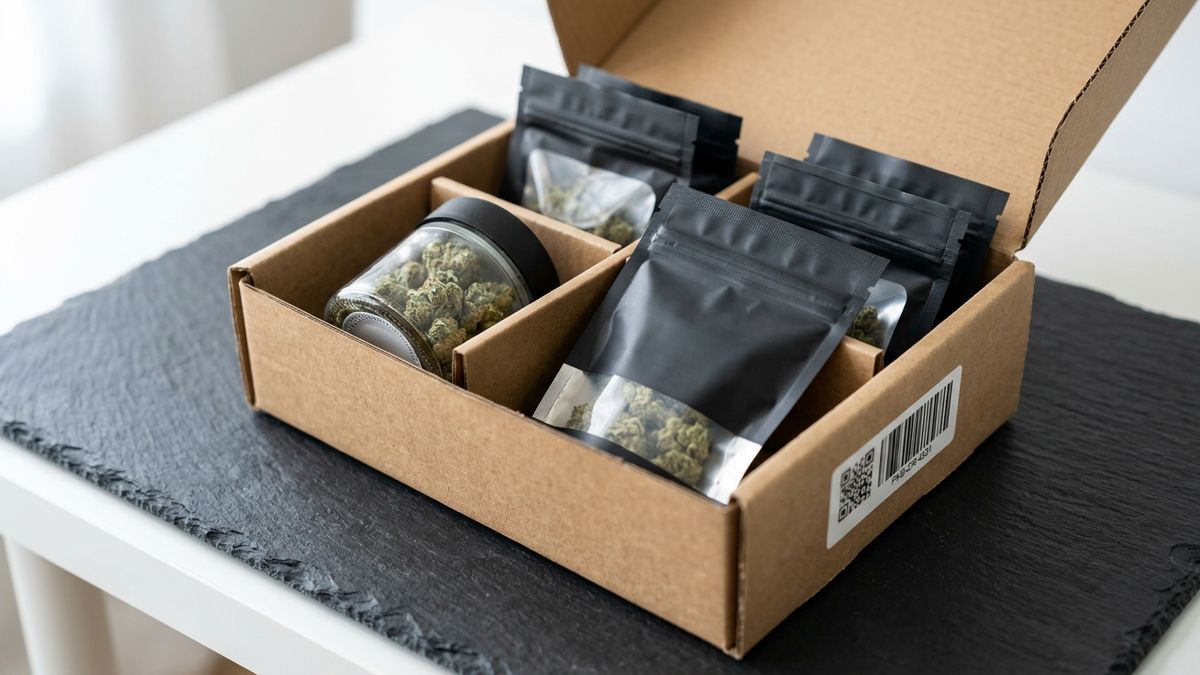
Cannabis packaging in Manitoba has to clear two layers. Health Canada sets the federal package and label rules. Manitoba adds a supply model unlike any other province: Manitoba Liquor & Lotteries (MBLL) is the sole wholesaler, but licensed producers ship full cases directly to private stores, and Manitoba law bars stores from selling any package that's opened, damaged or relabelled.
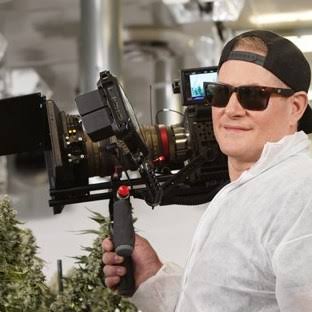
I've spent 22 years working in marketing and media connected to the cannabis industry. That started with Growing Exposed on YouTube (130,000+ subscribers and 12.5 million views), ran through bylines in High Times and Stoner Magazine, and today I own LG Digital Inc. CropPak ships out of Abbotsford, BC, and a growing number of our clients sell east into the Prairies. Manitoba trips people up for one reason: there's no big central warehouse to absorb your mistakes. Your case lands at a store's back door, and whatever arrives is what goes on the shelf.
This guide covers only what's specific to Manitoba. For plain packaging, the THC warning, the standardized symbol and child-resistant container rules, start with our Health Canada packaging and labelling requirements hub and our cannabis packaging Canada pillar. Everything below sits on top of those.
Who Regulates Cannabis Packaging in Manitoba?
Manitoba splits the job between two Crown bodies, and you'll deal with both. According to the MBLL cannabis partner FAQ, the Liquor, Gaming and Cannabis Authority of Manitoba (LGCA) regulates, licenses, inspects and audits the industry, while MBLL signs agreements with private retailers on behalf of the province and runs central order processing.
- LGCA (regulator): licenses every retail cannabis store and every cannabis distributor in the province, sets their terms and conditions and enforces the provincial Cannabis Regulation.
- MBLL (wholesaler): the exclusive wholesaler of non-medical cannabis. Every licensed retailer buys cannabis through MBLL's product catalogue at uniform prices.
- Health Canada: still licenses producers and owns the federal packaging and labelling rules. MBLL only buys from Health Canada licence holders.
One detail matters for anyone selling accessories. MBLL's catalogue includes only products that contain cannabis. Retailers source their own accessories, so a branded grinder or storage jar is sold to stores directly, not through MBLL.
The legal framework
The rules come from The Liquor, Gaming and Cannabis Control Act and the Manitoba Cannabis Regulation, M.R. 120/2018. The Act says plainly that all cannabis sold at a cannabis store must be packaged and labelled in accordance with the federal Cannabis Act. Manitoba doesn't write a second label standard. What it does is control how your package moves, gets stored and gets sold, and that's where the packaging decisions come in.
How Does Manitoba's Direct Ship Model Affect Cannabis Packaging?
This is the big difference between Manitoba and its neighbours. In Alberta, Ontario and BC, you ship to a wholesaler's warehouse and the wholesaler handles delivery to stores. Manitoba works differently. MBLL's Become a Cannabis Supplier page says Manitoba uses a direct ship model between suppliers and retailers, and suppliers must include the cost of delivery in their price to MBLL.
MBLL handles the paperwork and the money. You handle the freight. Your supplier criteria, per that same MBLL page, include:
- Direct shipping to retailers, or cross-docking through an authorized distributor
- Uniform pricing and product availability to all licensed cannabis retailers in Manitoba
- Uniform product offerings to all retailers, shipped in full cases
- No minimum order quantities or minimum order values
- Payment terms of 30 days after the retailer completes receiving
Read those last three together. A single store can order a single case of one SKU, and you can't refuse because the order is small. That makes your case pack size a real business decision. Pack 48 units in a case and a small-town store may never order you. Pack 12 and your freight cost per unit climbs. I'd model both before you finalize your shipper boxes.
Authorized distribution partners
Shipping to dozens of individual stores is hard for a producer based in BC or Ontario, so Manitoba allows cross-docking. MBLL announced on March 11, 2026 that effective April 1, 2026, three businesses are authorized through a Cannabis Limited Distribution Agreement to provide distribution services to suppliers: Maqabim Distribution, Lynx Distribution and Open Fields Distribution. MBLL says these are the only authorized distributors at this time and that it actively monitors suppliers' compliance with the authorized fulfillment methods.
On the regulatory side, the LGCA licenses each distributor. A distributor must have an MBLL agreement before it can even apply, pays a $500 non-refundable application fee, and its licence lets it store cannabis in Manitoba and deliver it to retail stores when directed by MBLL.
Why packaging durability matters more here
Every extra hand-off is a chance to crush a corner or split a seal. Section 40 of the Cannabis Regulation says all cannabis a distributor delivers to stores must be in the original packaging used by the cannabis producer. Nobody in the chain is allowed to repack your product. Whether you ship direct or through a cross-dock, your retail unit and shipper case have to survive courier networks, prairie winters and multiple sort points on their own.
That's why I push Manitoba-bound clients toward heavier film structures and rigid formats. A thicker custom mylar bag with a strong zipper track holds up better in a mixed courier box than a thin stock bag. If you're shipping glass, like child-resistant glass flower jars, use dividers inside the case. A broken jar isn't a returns issue in Manitoba. It's an unsellable unit the store has to set aside and dispose of.
What Do Manitoba Stores Require from Cannabis Packaging?
The provincial Cannabis Regulation is short, but four sections speak directly to your package. Here's what they say and what they mean on the factory floor.
Original, unopened packaging only
Section 10 requires that all cannabis in a store stays in the same unopened packaging as when it was delivered. Section 13 goes further. A licensee may sell cannabis only if it's in the same packaging as when it was delivered, the original packaging hasn't been opened, unsealed or damaged in any way, and all labels on the original packaging are in place, unmodified and not obscured.
That last phrase is the one I'd circle. If a retailer can't sell a package with an obscured label, a price sticker or inventory tag that covers your THC panel creates a compliance problem. Leave a clear, blank zone on the back panel where a store can put its own sticker without touching mandatory information.
Damaged packaging becomes waste
Under section 32, a store must keep cannabis that can't be sold because its packaging is damaged in a separate part of the storage area and dispose of it as the LGCA's executive director specifies. Section 24 requires stores to record cannabis pulled for damaged packaging. A scuffed tamper seal or a torn tear-notch doesn't get marked down. It gets written off. Good tamper-evident seals and shrink bands show tampering clearly but shouldn't fail under normal handling.
Display containers and no handling
Section 9 says customers can't handle cannabis before they buy it, and section 8 requires cannabis in the retail area to be kept in locked cases that only staff can open. Age-restricted stores may use display containers, which the regulation defines as containers that let a person see and smell the cannabis but not touch it. Section 11 adds that cannabis used in a display container can't be sold.
For packaging, that means your retail unit lives behind glass. Shoppers see your front panel from a few feet away and staff hand it over at the counter. Under federal plain-packaging rules, you don't have much to work with visually, so finish and structure carry more weight than they do in most markets. Our custom matte mylar bags finish guide covers how matte, soft-touch and gloss read under store lighting.
Barcodes and inventory records
Section 24 requires stores to record cannabis sold based on universal product code (UPC) or digital inventory code. Your barcode has to scan at every counter in the province, on the first try. When MBLL first called for suppliers in 2018, its Call for Listing F17/18-C001 asked suppliers to demonstrate the ability to comply with the GS1-128 barcoding standard. It also requested package sizes of 1 gram, 3.5 grams and 7 grams, with nothing beyond 30 grams. Confirm current specs with MBLL's cannabis team during onboarding, since that document predates legalization.
Place the barcode on a flat panel with a quiet zone around it. On a gloss bag, a matte compliance label for the barcode zone cuts glare under scanners.
Age-Restricted vs. Controlled-Access Stores: What's the Packaging Difference?
The LGCA issues two kinds of retail cannabis licence, and they put your package in very different settings.
- Age-restricted store: nobody younger than 19 can enter. These are the dedicated cannabis shops most people picture.
- Controlled-access store: cannabis is sold inside a larger retail store that sells other products, as long as the cannabis isn't visible. Section 12 of the regulation bars promotional displays in these stores. Staff can post a list of products and prices, and that's about it.
Section 101.7 of the Act requires every retailer to make sure cannabis, cannabis packages and labels in the store aren't visible to a young person. In a controlled-access store, your package spends its whole shelf life out of sight. It's picked from a list, not by its looks. If your brand depends on shelf presence, focus your Manitoba distribution on age-restricted stores, and make your product name easy to read on a printed menu.
Online sales and delivery
Licensed stores can sell online and by phone through their own websites. Section 22 says a store can't put more than 30 grams of dried cannabis, or the equivalent, in a single delivery package. Section 22.1 limits delivery to store employees, holders of an LGCA delivery licence or a national carrier, and employees delivering orders can't open or tamper with any package. Your retail unit becomes the inner pack of a courier shipment, so the same durability point applies.
Cannabis Packaging Manitoba vs. Alberta, Ontario and BC: How Do the Models Compare?
Plenty of our clients sell into several provinces at once. The federal label stays the same across all of them. The supply chain doesn't. Here's how cannabis packaging in Manitoba compares, based on MBLL and LGCA sources and the wholesaler manuals covered in our other province guides.
| Requirement | Manitoba | Alberta | Ontario | British Columbia |
|---|---|---|---|---|
| Wholesaler | Manitoba Liquor & Lotteries (MBLL) | AGLC | Ontario Cannabis Store | BC Liquor Distribution Branch |
| Retail regulator | LGCA | AGLC | AGCO | LCRB |
| How product reaches stores | Supplier ships direct to retailers or via 3 authorized distributors | Through the AGLC warehouse run by CLS | Through the OCS warehouse | Through the LDB warehouse |
| Who pays delivery to stores | Supplier (built into price to MBLL) | Wholesaler network | Wholesaler network | Wholesaler network |
| Order minimums | None allowed; full cases only | Per AGLC supply contract | Per OCS purchase order | Per LDB purchase order |
| Store formats | Age-restricted and controlled-access | Private stores | Private stores | Private and government stores |
| Minimum age | 19 | 18 | 19 | 19 |
Sources: MBLL supplier pages and distribution update (March 11, 2026), LGCA licensing pages, Manitoba Cannabis Regulation M.R. 120/2018, and CropPak's Alberta, Ontario and BC guides.
The takeaway: in Alberta the hard part is fitting a strict case spec at one warehouse dock. In Manitoba, it's surviving many smaller shipments to many stores. If you want the warehouse-side detail for the other provinces, see our Alberta cannabis packaging guide, our Ontario cannabis packaging guide and our British Columbia cannabis packaging guide.
How Do You Become an MBLL Cannabis Supplier?
MBLL's supplier page lays out the path. First, you need a Health Canada licence with a sales amendment (MBLL's criteria exclude plant and seed sellers from this route). Then you complete MBLL's Cannabis Supplier Application Form. MBLL says it's prioritizing innovative products that fill gaps in its catalogue, which it defines as:
- Unique or new products not currently offered
- Underserved products, categories or sub-categories
- Competitive pricing
- Brands with demonstrated performance in other markets
- Historical legacy market brand recognition
MBLL also lists Indigenous and minority group ownership among its criteria. Once you're approved for listing, you create an account on MBLLPartners.ca and submit a Supplier Information Form (with a void cheque, a PDF of your Health Canada licence and your logos) and a Product Information Form for each product. MBLL provides a wholesale-to-retailer pricing calculator so you can see the markup structure, and you acknowledge its Purchase Order Terms and Conditions by email.
Here's where packaging fits. Your Product Information Form describes what you're actually shipping: format, size and case configuration. Lock your packaging spec before you fill it out. Changing a bag size or case count after listing means updating MBLL's records and every retailer's expectations. Our wholesale cannabis packaging buying guide walks through quotes, proofs and lead times so your packaging lands before your first order.
Child-resistant certification still applies
Manitoba doesn't add its own child-resistant standard, but the federal rules apply to every unit. Many CR mylar bags on the market are certified under the U.S. protocol in 16 CFR 1700.20, with the package classified under ASTM D3475. Keep a test report on file for every format you ship. A report for your 3.5 g pouch doesn't cover a pre-roll tube or a glass jar. Our child-resistant mylar bags ship with certification documents for that reason.
Cannabis Packaging Manitoba Checklist Before Your First Shipment
Here's the list I'd work through before a Manitoba launch:
- Health Canada licence with a sales amendment, an approved MBLL supplier application and an MBLLPartners.ca account.
- Federal label and symbol compliance confirmed (see our standardized cannabis symbol guide).
- Manitoba excise stamp in a clear, flat zone on the artwork. Health Canada notes each province and territory has a different stamp.
- Child-resistant certification on file for each packaging format.
- A scannable barcode on a flat panel, since stores record every sale by UPC or digital inventory code.
- A blank back-panel area where a store sticker won't cover mandatory label text.
- A case pack size that small stores can actually order, with no minimums imposed.
- Shipper cases and inserts built for courier networks, since you're shipping direct or through a cross-dock.
- Delivery costs built into your price to MBLL.
- A decision on fulfillment: direct ship, or one of the three authorized distributors (Maqabim, Lynx or Open Fields).
- Tamper-evident features that show tampering clearly but don't fail in normal handling, since damaged packaging can't be sold.
If you want retail packaging and shipper cases built for Manitoba's direct ship model, request a quote and tell us which provinces you're selling into. We'll spec bag sizes, barcode placement, finishes and case counts around how your product actually moves.
Frequently asked questions
Who is the cannabis wholesaler in Manitoba?
How do cannabis products get to stores in Manitoba?
Can Manitoba cannabis stores open or relabel packages?
What is the legal age to buy cannabis in Manitoba?
Does Manitoba have its own cannabis packaging label rules?