Custom Matte Mylar Bags: Finish Selection Guide
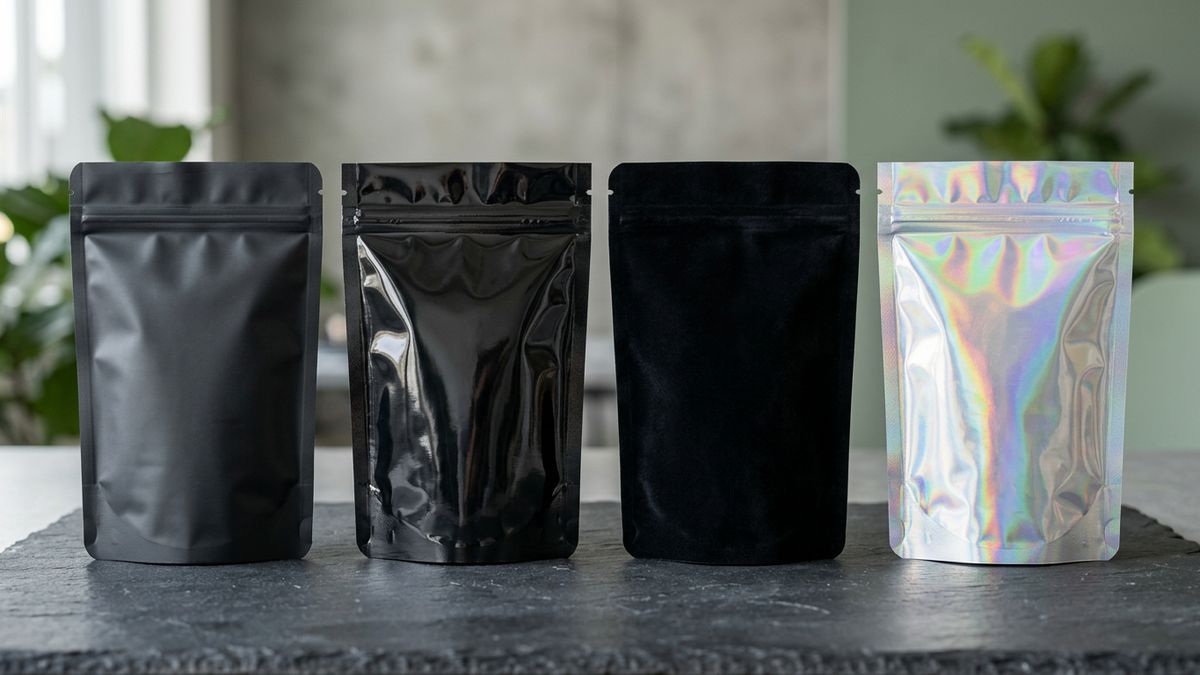
Custom matte mylar bags give cannabis packaging a low-glare surface and an understated appearance. Matte suits restrained artwork; gloss emphasizes reflections and color; soft-touch adds a velvet-like feel; holographic finishes create shifting highlights. Finish selection should follow physical print proofs, handling tests, and like-for-like quotations.
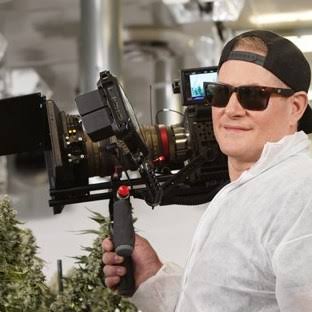
I've spent 22 years working in marketing and media connected to the cannabis industry. A packaging finish is a brand decision, but it's also a production decision. The sample that looks excellent on a desk still needs to look right after filling, shipping, and retail handling.
This guide stays focused on that surface decision. For construction, dimensions, and closure options, start with CropPak's custom mylar bag specifications. Here, let's compare the finishes without pretending that one appearance works for every brand.
When do custom matte mylar bags suit the artwork?
Choose matte when controlling reflections matters more than creating shine. A restrained background gives typography, spacing, and a clear brand mark room to work. That doesn't make matte automatically more expensive-looking. Weak artwork remains weak artwork, just with less glare.
Start with 3 design questions: Can someone identify the brand at a glance? Does the product name remain readable when the pouch curves? Do required label elements stay clear under direct lighting? Those are suggested review questions, not laboratory acceptance criteria.
CropPak lists matte, gloss, and holographic options on its custom bag page. Its wholesale printing page also lists soft-touch. Those names describe different visual or tactile directions; they don't identify a universal material recipe. Ask which film or coating creates the proposed finish before approving artwork.
Match the surface to the visual hierarchy
A matte background can support a quiet design with a single strong focal point. Gloss can suit artwork built around reflected highlights. A holographic panel can become the focal point itself. Decide which element should lead before adding another surface effect.
For a technical reference, Cosmo Films' C2001(VT-P) velvet-touch film data sheet lists gloss below 9 Gardner at a 45-degree measurement angle and haze of 75-85%. Those are indicative values for that named film, not specifications for CropPak bags or every matte finish.
That distinction matters. A finish name is a starting point, while a defined material and approved sample create something a production team can compare. Don't write the Cosmo numbers into a CropPak purchase order unless the actual supplied construction has been confirmed against them.
How do custom matte mylar bags compare with other finishes?
Compare matte, gloss, soft-touch, and holographic finishes using the same artwork wherever practical. Changing the artwork and the finish together makes it difficult to tell which choice improved the result. Keep the comparison controlled, then introduce extra effects only where they serve a clear purpose.
| Finish | Design direction | What to inspect on a physical proof | What to confirm in the quote |
|---|---|---|---|
| Matte | Low-glare, restrained presentation | Dark-area rub marks, small text, filled-pouch appearance | Exact film or coating and any specified abrasion performance |
| Gloss | Reflective presentation with visible highlights | Glare over text, reflections in photographs, handling marks | Surface construction and matching print proof |
| Soft-touch | Velvet-like tactile presentation | Feel, residue pickup, rubbing, label adhesion | Named treatment, availability, incremental price |
| Holographic | Angle-dependent shifting highlights | White-ink coverage, text contrast, effect at several angles | Effect coverage, print layers, proofing and setup |
This is a decision table, not a durability ranking. There's no responsible way to declare every gloss bag tougher than every matte bag, or every soft-touch surface resistant to fingerprints. Different materials and production methods can produce different results under the same finish label.
Cosmo's C2001(VT-P) data sheet illustrates why the details matter: its surface has a defined measurement angle and named test methods. A general phrase such as "premium matte" doesn't provide that information. Ask the supplier to identify the proposed material before discussing measurable performance.
Is soft-touch the same as matte?
No. Matte describes the appearance, while soft-touch describes the tactile experience. A soft-touch finish can also be matte, but a matte bag doesn't necessarily have a velvet-like surface. Compare both with your hands rather than selecting from a thumbnail.
CropPak's wholesale custom printing and finish options include soft-touch alongside matte, gloss, metallic, and holographic choices. Confirm the actual treatment and sample for the order. Don't assume every treatment can be combined with every other effect without a production review.
Will matte packaging scuff or show fingerprints?
Test the proposed finish instead of trusting the category name. Dark artwork can make changes in surface appearance easier to notice, so include the darkest printed areas in the sample review. Look for scratches, shiny rubbed patches, transferred ink, and visible handling residue.
I'd use a simple internal screening exercise before committing: compare an untouched control sample with samples handled during filling, packed in the proposed carton, and unpacked after a representative shipment. Photograph each under the same light. This is a suggested workflow, not a standardized scuff-resistance test.
Write down the handling conditions. A vague complaint that a pouch "looks scratched" is difficult to investigate. A note identifying the carton configuration, contact surfaces, handling stage, and affected area gives the supplier a useful starting point.
Cosmo's film data sheet explicitly says its figures are indicative guidelines, not a guarantee of suitability for a particular application. Apply that same discipline to any supplier's claim: a film description doesn't replace testing the finished printed pouch in the actual packing process.
Check the places that receive the most contact
Inspect the front panel, fold areas, zipper handling zone, and the points where pouches rub against one another. Don't judge only the flat center of an empty sample. The filled bag changes shape, and that changes where surfaces touch.
Keep hands and work surfaces representative of normal operations. An unusually careful presentation sample tells little about routine handling. If a finish needs special protection during packing, identify that requirement before calculating the final cost.
For the broader sequence of samples, proofs, and purchasing approvals, our wholesale cannabis packaging buying guide provides the next step. This finish review should fit inside that purchasing process rather than happen after the order is already approved.
How should artwork change for matte, gloss, or holographic printing?
Approve color on the finished surface, not just on a screen. The print, substrate, white-ink layer, and finish work together. A digital mockup is useful for layout, but it can't establish the exact appearance of a physical pouch under store lighting.
Ask for a proof that makes the surface treatment explicit. If a proof represents color only and not the final finish, label it that way. Otherwise, teams can approve different things while believing they've approved the same production result.
CropPak's product page lists spot UV and foil stamping as available effects. A matte background with a selective glossy element is one possible direction. Keep these accents away from information that needs consistent readability, and review placement on the supplied dieline rather than guessing alignment.
Use white ink deliberately on holographic surfaces
Ask the printer to show which areas reveal the underlying effect and which receive opaque coverage. White-ink placement changes the design, so it belongs in the approval file. Compare the pouch straight on and at an angle before deciding that a product name has enough contrast.
Use the same caution with soft-touch and spot finishes. Cosmo's C2001(VT-P) sheet describes compatibility with foil stamping and UV spot coating for that specific film. That doesn't promise compatibility for an unrelated pouch construction; the supplier must confirm the selected combination.
Keep finish approval separate from compliance approval
A matte surface isn't evidence of child resistance. Where applicable, 16 CFR 1700.20 sets special-packaging testing procedures, while ASTM D3475 classifies child-resistant packages. Neither standard is a matte-finish grading system.
Keep CR certification documentation, tamper-evident features, and secondary packaging decisions in the compliance review. The child-resistant packaging guide covers that separate subject. A good-looking surface doesn't substitute for the right package documentation.
How do you compare finish costs without misleading price claims?
Request the same bag construction, artwork coverage, quantity, and delivery terms for each finish comparison. Then ask the supplier to isolate the finish-related difference. A cheaper quote isn't a finish saving if it quietly changes the print method, packaging construction, or shipping basis.
There isn't a verified universal price premium that applies to every matte, gloss, soft-touch, or holographic order. Exact pricing belongs in a current written quotation. Avoid publishing a percentage or cents-per-bag claim without an actual like-for-like quote behind it.
Ask for 4 separate lines where applicable: base printed pouch, surface treatment, additional decorative effects, and setup or proofing. This is a suggested quote format, not a claim that every supplier bills those items separately. The goal is to make the alternatives understandable.
At CropPak, we work with a partner factory in China and have our own person on the factory floor to check that orders are made correctly and on time. Factory-direct sourcing doesn't remove the need for a clear specification. It makes that specification especially important when teams are approving samples remotely.
Include handling costs in the decision
A finish that needs extra care can affect packing procedures. Ask whether the chosen surface needs protective handling, different carton packing, or an additional review step. Confirm those requirements rather than inventing a standard cost allowance.
For brands comparing a printed finish with a stock-packaging approach, the custom versus stock mylar bag comparison explains that different buying decision. Don't mix it into a matte-versus-gloss quotation and call the result a pure finish comparison.
Cosmo's suitability disclaimer is useful here too: a material's stated characteristics aren't a promise about performance in every application. Pay for the defined result your team has approved, not an attractive finish name without a matching specification.
What should you approve before production?
Keep one approval record that links the artwork revision, material description, finish, and accepted sample. Identify who signed off and what the sample represents. A color proof, a texture swatch, and a production pouch can answer different questions.
My suggested 5-point sign-off checklist is practical rather than regulatory:
- Appearance: inspect the filled pouch under normal retail and photography lighting.
- Readability: review brand, product, and required label information at several angles.
- Handling: compare a control sample with pouches from the actual packing workflow.
- Specification: record the selected surface treatment and any approved effects.
- Commercial terms: connect the approved finish to the final written quotation.
Keep an approved physical reference for reorders. A photograph can document appearance, but it can't reproduce texture. If a future batch feels different, the physical sample gives both sides a more useful comparison than a memory of the original delivery.
If you're still choosing the underlying bag, read how to choose cannabis mylar bags before finalizing the surface. Finish selection should refine an appropriate package, not distract from an unresolved construction decision.
Matte is a strong choice when the artwork calls for low glare and restraint. Gloss, soft-touch, and holographic options can be equally deliberate. The right answer is the approved finish that fits the brand, survives the intended handling, and matches the quoted specification.
Frequently asked questions about matte bag finishes
Are custom matte mylar bags better than glossy bags?
Neither finish is universally better. Matte suits artwork that benefits from reduced glare and a restrained appearance, while gloss creates reflective highlights. Compare identical artwork on physical samples, then inspect readability, handling marks, and the filled pouch. Don't use the finish name as a durability guarantee. The best choice is the surface that meets the brand's visual goals and passes its documented approval process.
Is a soft-touch mylar bag the same as a matte bag?
No. Matte describes a low-gloss appearance; soft-touch describes a tactile surface, often described as velvet-like. A pouch can have both characteristics, but an ordinary matte pouch doesn't automatically have the same feel. CropPak lists soft-touch among its wholesale printing options. Ask for a physical sample of the proposed treatment and confirm the exact construction rather than approving texture from a product image alone.
Do matte mylar bags resist scratches and fingerprints?
Performance depends on the specific film, coating, artwork, and handling conditions, not simply the word matte. Inspect actual printed samples after filling, packing, and unpacking. Compare them with an untouched control under consistent lighting. If a supplier claims scratch or fingerprint resistance, request the supporting material specification and an agreed evaluation method. Don't treat a general finish description as proof of finished-pouch performance in real distribution.
Can matte mylar bags include glossy logos or holographic effects?
CropPak lists spot UV, foil stamping, and holographic options, but each proposed combination needs a production review. A selective glossy element can contrast with a matte background, while white-ink coverage can control where an underlying effect remains visible. Ask for a proof showing effect placement and the final surface. Don't assume every available treatment works with every other treatment or every printed design without confirmation.
Does choosing matte change child-resistant packaging requirements?
Choosing matte doesn't establish or replace child-resistant compliance. Finish approval concerns appearance and handling; compliance review concerns the actual package, applicable rules, and supporting documentation. Keep those approvals separate, and confirm that the supplied configuration matches the relevant test documentation. If the proposed production specification changes, ask the supplier and compliance reviewer whether the existing documentation still applies before releasing the order for commercial production.
Frequently asked questions
Are custom matte mylar bags better than glossy bags?
Is a soft-touch mylar bag the same as a matte bag?
Do matte mylar bags resist scratches and fingerprints?
Can matte mylar bags include glossy logos or holographic effects?
Does choosing matte change child-resistant packaging requirements?